
Medical Retina
Schedule an Appointment
What is Medical Retina?
Medical retina focuses on the diagnosis and non-surgical treatment of diseases affecting the retina, macula, and vitreous. The retina is the light-sensitive layer at the back of the eye that sends visual signals to the brain. Any damage to the retina can cause blurred vision, blind spots, or even complete vision loss.
Common Retinal Diseases Treated Medically
Diabetic Retinopathy
Vision loss caused by diabetes-related damage to blood vessels
Age-Related Macular Degeneration (AMD)
Central vision deterioration with age
Central Serous Retinopathy (CSR)
Fluid leakage under the retina causing visual distortion
Retinal Vein Occlusion
Blockage of veins in the retina leading to swelling and bleeding
Hypertensive Retinopathy
High blood pressure causing retinal damage
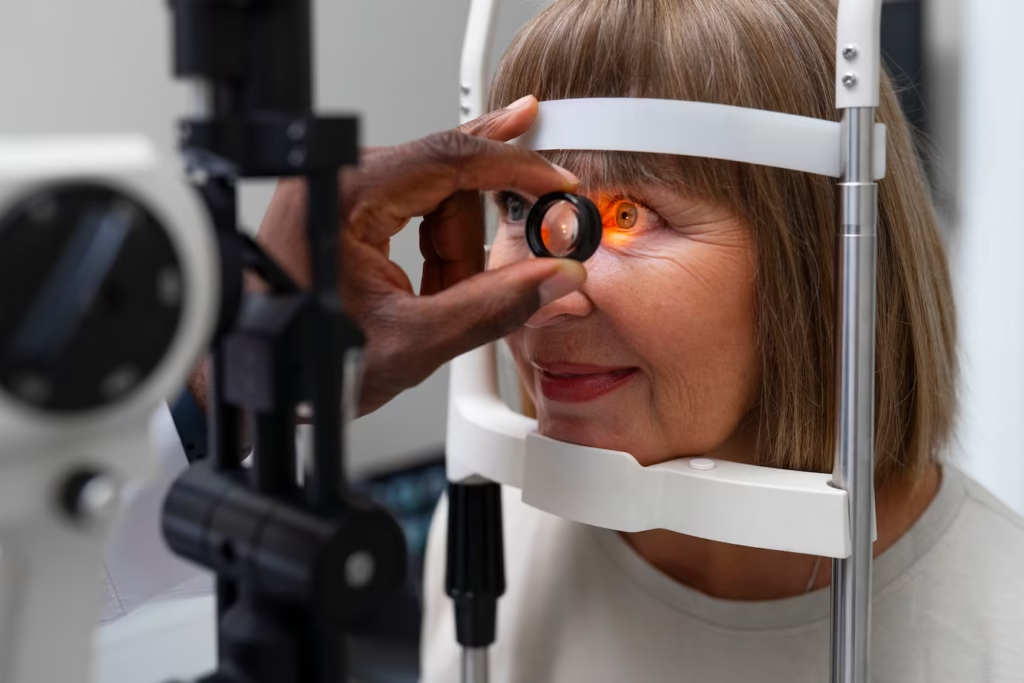
Early Symptoms of Retinal Disorders
- Blurry or distorted vision
- Seeing floaters or flashes of light
- Dark or empty spots in vision
- Loss of night vision
- Difficulty reading or recognizing faces
Advanced Diagnostic Tools for Retina
OCT Scan (Optical Coherence Tomography) – Shows detailed cross-sections of the retina
Fundus Photography – Captures images of the retina
Fluorescein Angiography – Detects abnormal retinal blood vessels
Visual Acuity & Field Tests – Checks the clarity and range of vision
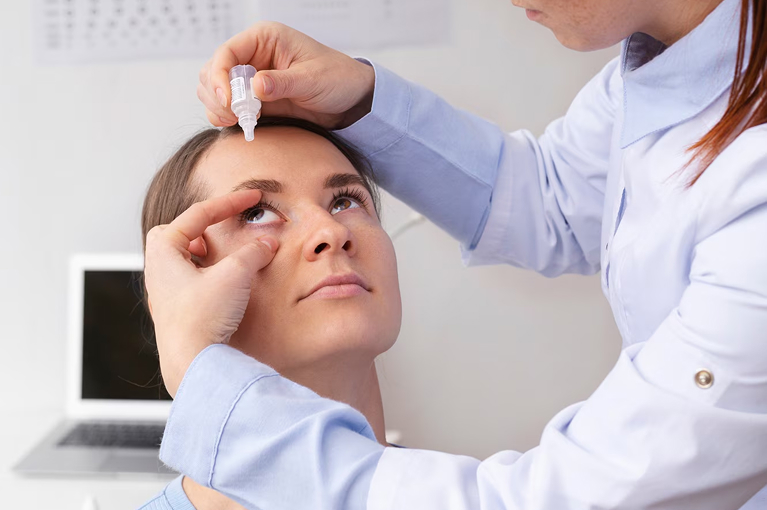
Non-Surgical Treatment Options
- Anti-VEGF Injections for AMD and diabetic macular edema
- Steroid Injections to reduce swelling in the retina
- Laser Photocoagulation for sealing leaky blood vessels
- Systemic Treatment – Managing diabetes, hypertension, or cholesterol
Importance of Regular Retina Checkups
Retinal diseases often develop silently without pain, so early detection is crucial. Routine eye exams can detect changes before they cause permanent damage.
Additional FAQs for Medical Retina
Some, like diabetic retinopathy, can be prevented or delayed with good blood sugar control and regular eye exams.
It depends on the extent of damage. Early treatment can preserve vision, but late-stage disease may cause permanent loss.
- Diabetics: at least once a year
- People over 50: every 1–2 years
- Anyone noticing sudden vision changes should visit immediately
Most treatments, including injections and lasers, are quick and virtually painless with numbing drops.
Yes! A healthy diet, controlling diabetes & hypertension, quitting smoking, and wearing UV-protective sunglasses help maintain retinal health.